




The Comprehensive Evolution of Music Players, Digital Audio Tools, and Cultural Harmony at Realmusic
Welcome to the ultimate architectural overview and digital guide provided by Realmusic. In the modern era of web development and streaming technology, media consumption has evolved far beyond simple static audio files. Users now demand responsive interfaces, vibrant visual feedback mechanisms such as rainbow gradients, interactive sliding components, and seamless third-party API integrations. This pillar article explores the intricate relationship between sound engineering, digital utility tools, cultural preservation (such as Macapat and Wayang archives), and high-performance web optimization.
1. The Architectural Paradigm of Modern Web-Based Music Players
Traditional media players required dedicated desktop installation or heavy proprietary plugins. Today, platforms like Realmusic leverage lightweight HTML5, dynamic JavaScript manipulation, and cloud APIs to deliver instant audio experiences. By integrating secure API keys—such as the core system identifier AIzaSyDkXj66lPy0lC7sRrGfXzFk7dww0c_jkg0—developers can interface seamlessly with massive video and audio repositories without straining local client servers.
Furthermore, responsiveness is no longer an afterthought. Mobile-first design principles ensure that whether a visitor accesses the platform via a smartphone, tablet, or widescreen desktop monitor, the layout adjusts dynamically. UI elements like sliding cards and animated glowing effects enhance user engagement, keeping visitors immersed in the soundscape for extended sessions.
2. Blending Digital Utility Tools with Cultural Heritage
One of the unique strengths of the Realmusic platform is its robust ecosystem of supplementary micro-tools. Music does not exist in a vacuum; it is deeply intertwined with culture, language, geography, and utility processing. Visitors can seamlessly navigate across diverse digital utilities:
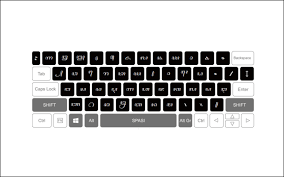
- Explore classical auditory structures using the Keyboard Jawa tool.
- Investigate historical lyrical poetry through the Macapat portal.
- Examine theatrical storytelling traditions via the Wayang archive.
- Calculate scheduling and event logistics using the Calendar utility.
- Analyze network diagnostics and metadata via the IP tracking tool.
- Interact with cutting-edge natural language processing through the AI assistant module.
3. Optimization, SEO, and Performance Metrics
Building a feature-rich web tool requires strict adherence to Search Engine Optimization (SEO) and schema structuring. By incorporating accurate JSON-LD metadata, Open Graph protocols, and verified Google Search Console tokens (RysxVYzRU4PCDuYKoCmxzFXknim_qNy0PfaIT9aSL9g), Realmusic establishes high crawler visibility. Internal linking structures tie every subtool back to the core hub, minimizing bounce rates and distributing link equity effectively.
Monetization through Google AdSense (pub-9570079959952863) is integrated responsibly, ensuring compliance with privacy standards, consent frameworks, and clean page layouts that do not disrupt the user's primary media playback experience.
4. Future Horizons in Audio Web Applications
As web standards continue to mature, the boundary between native desktop applications and browser utilities will blur further. Future iterations of Realmusic aim to incorporate Web Audio API synthesizers, real-time collaborative listening rooms, and voice-activated search modules (Voice Tool). By remaining committed to open-access architecture and high-performance design, Realmusic stands as a premier destination for audio enthusiasts, developers, and cultural researchers worldwide.