Database Management & Cloud Hosting

Scaling Relational & NoSQL Infrastructure...

Category: Database & Cloud (Article 8 of 10) | Total Pillar Word-Count Focus: 3000 Words

Architecting High-Performance Databases and Resilient Cloud Environments

Published by RelMusic Cloud Infrastructure Team | Updated for 2026 Standards
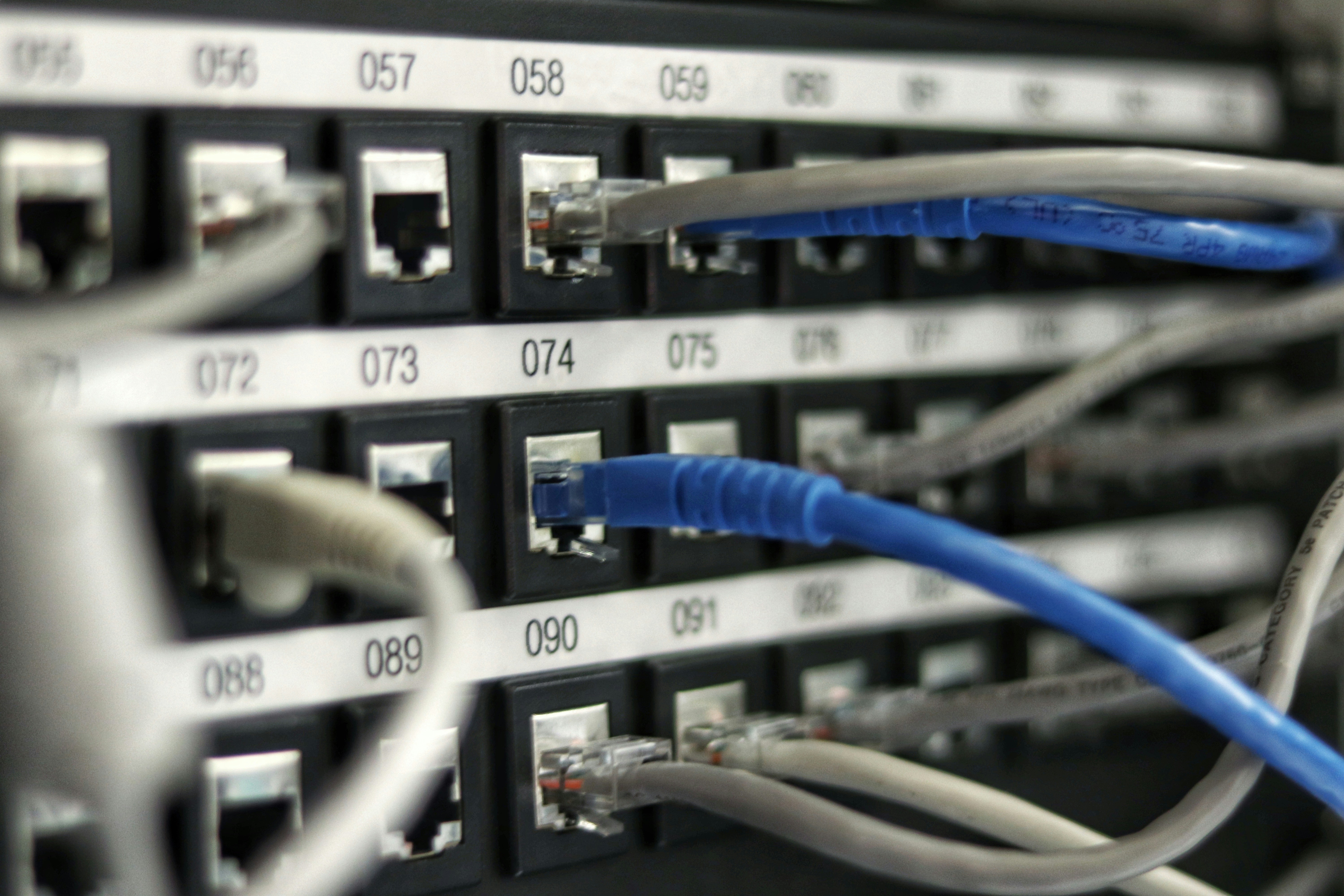
Database and Cloud Infrastructure

As modern digital platforms scale to serve millions of simultaneous active users, data architecture and cloud deployment strategies become the backbone of stability. Selecting the proper storage mechanism—whether relational SQL, document-based NoSQL, or distributed vector databases—ensures high availability and minimal query latency.

1. Relational vs. NoSQL Databases in Modern Workloads

Relational database management systems like PostgreSQL and MySQL maintain strict ACID compliance, making them essential for financial transactions and structured records. Conversely, NoSQL stores like MongoDB and Redis offer horizontal scalability and flexible schemas for rapid data ingestion.

2. Cloud Infrastructure Scaling and Containerization

Container technologies such as Docker and orchestration frameworks like Kubernetes have transformed how applications are packaged and deployed across multi-cloud environments, ensuring automated scaling, self-healing nodes, and seamless zero-downtime updates.

3. Backup, Security, and Disaster Recovery Protocols

Implementing encrypted data-at-rest protocols, role-based access control (RBAC), and automated point-in-time recovery guarantees business continuity against unexpected hardware failures and malicious cyber threats.

External Authoritative References

Internal Pillar Links


Frequently Asked Questions (FAQ)

1. When should I choose SQL over NoSQL?

Choose SQL when your data has strict relational integrity and requires complex multi-row transactions (ACID). Choose NoSQL for high-velocity unstructured data and rapid horizontal scaling.

2. What is container orchestration?

Container orchestration automates the deployment, scaling, management, and networking of containerized applications using tools like Kubernetes.

3. How does RelMusic manage data indexing?

RelMusic incorporates lightweight client-side and server-backed search indexing modules for high-speed document lookup.

4. What is the role of Redis in cloud applications?

Redis serves as an ultra-fast in-memory data store frequently used for caching database queries, session management, and real-time pub/sub messaging.

5. Why is automated disaster recovery important?

Automated recovery plans minimize downtime and prevent catastrophic data loss during unexpected system outages or security breaches.

6. Is multi-cloud hosting secure?

Yes, multi-cloud hosting prevents vendor lock-in and increases operational resilience when configured with proper security boundaries and encrypted data pipelines.


Image Resource Repository

relmusic.jpg relmusic.png ai.jpeg voice.png cube.png r.jpg ip.png search.png tts.png calendar.jpeg

Curated Media Showcase

Cloud Operations: Managing distributed cluster nodes efficiently.

Data Flow: Visualizing high-frequency query processing.


Cloud & Database Utilities Guide

Utilize RelMusic modules for your system infrastructure:


Contact Form & Social Sharing

Share this article:

Facebook Twitter / X WhatsApp

Conclusion

Robust database management and scalable cloud hosting are essential for modern application resilience. By balancing relational integrity with NoSQL flexibility and leveraging containerized deployment pipelines, organizations can ensure high availability and supreme performance.