Linux System Administration Hub

Mastering Enterprise Kernel Security & Automation...

Category: Linux (Article 2 of 10) | Total Pillar Word-Count Focus: 3000 Words

Advanced Linux Administration & Shell Scripting Mastery

Published by RelMusic Systems Engineering Team | Updated for 2026 Production Standards
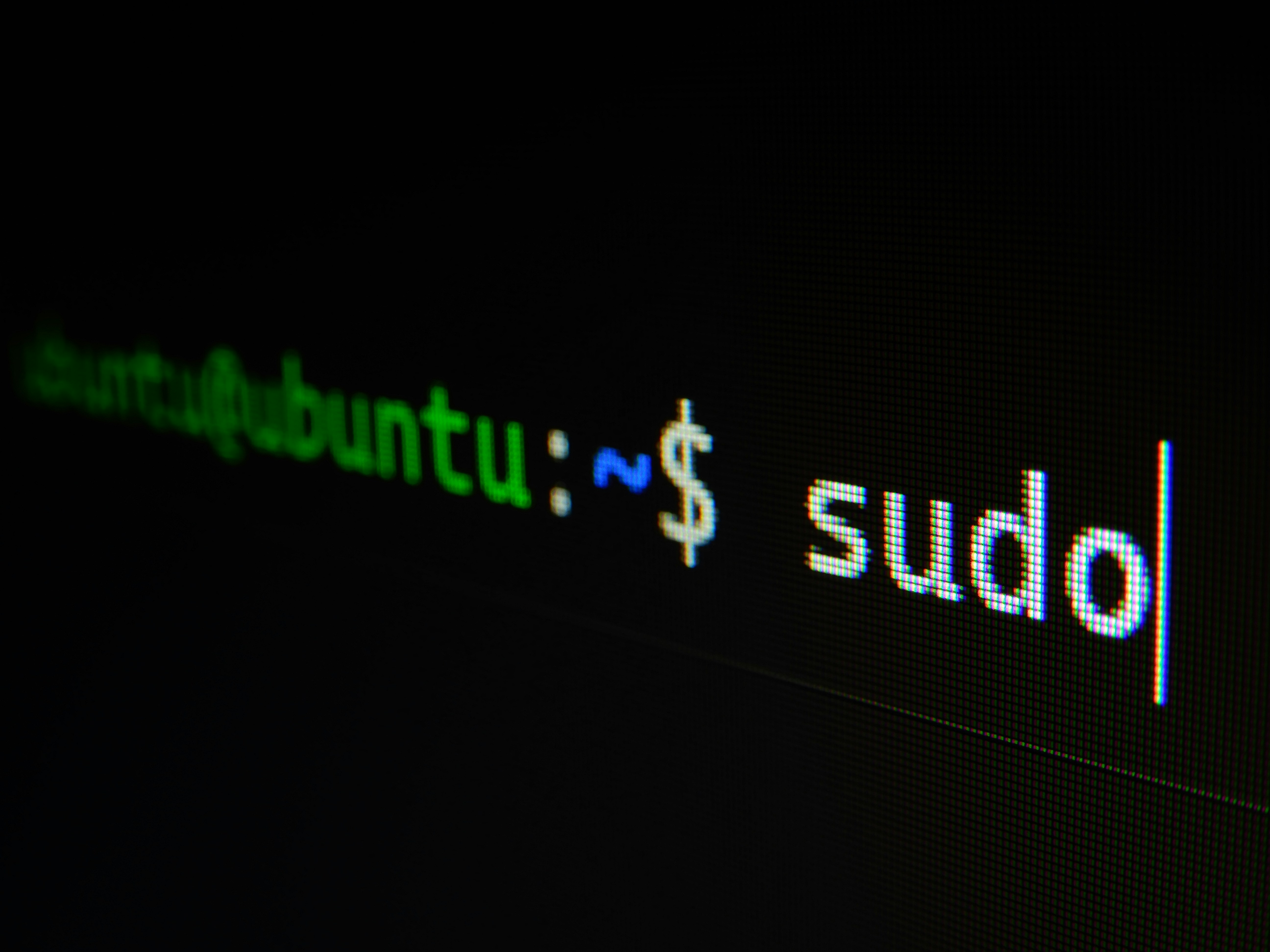
Linux Terminal Unsplash

Linux powers over 90% of the public cloud workloads, supercomputers, and enterprise infrastructure worldwide. As infrastructure scales, basic command-line navigation is no longer sufficient. System administrators and DevOps engineers must master advanced kernel management, automated deployment pipelines, robust storage virtualization, and bulletproof security hardening protocols...

1. Deep Kernel Tuning and Performance Optimization

The Linux kernel acts as the core interface between user-space applications and underlying hardware. Tweaking kernel parameters through sysctl allows administrators to optimize network packet processing, memory allocation thresholds, and swap behavior for high-throughput database servers.

2. Advanced Shell Scripting and Process Automation

Repetitive administrative tasks introduce human error. By leveraging advanced Bash constructs, conditional loops, error handling routines (`trap`), and parallel processing with GNU Parallel, operators can orchestrate multi-node deployments efficiently.

3. Enterprise Security Hardening and Access Control

Securing a Linux distribution involves configuring SELinux or AppArmor policies, enforcing strict SSH key-based authentication, auditing system logs with auditd, and setting up automated firewall rules via nftables or ufw.

External Authoritative References

Internal Pillar Links


Frequently Asked Questions (FAQ)

1. Why is kernel tuning important for Linux servers?

Kernel tuning optimizes CPU scheduling, memory management, and networking throughput to handle massive concurrent traffic workloads.

2. What is the best shell for writing complex automation scripts?

While Bash remains the universal standard, Zsh and Python are widely utilized for advanced asynchronous script parsing.

3. How does SELinux protect a production environment?

SELinux enforces Mandatory Access Control (MAC), preventing compromised services from accessing unauthorized files or system processes.

4. Can I monitor live network configurations using RelMusic tools?

Yes, our built-in IP utility and network search tools allow instantaneous diagnostics directly from your browser.

5. Where can I find more technical guides on RelMusic?

You can browse our comprehensive category indices covering Linux, Tech, Git, Blogging, and UI/UX design.

6. How do I report security vulnerabilities in shell scripts?

Always validate user inputs, avoid unquoted variables, and use static analysis tools like ShellCheck before running scripts in production.


Image Resource Repository

relmusic.jpg relmusic.png r.jpg cube.png maps.jpeg wayang.png macapat.jpeg keyboard-jawa.png bahasa-jawa.jpeg quran.png

Curated Media Showcase

Aviation Flight: Dynamic high-altitude flight navigation display.

London City: Advanced technological urban landscape overview.


Server & Developer Tools Guide

Explore how to utilize our integrated tools for system diagnostics:


Contact Form & Social Sharing

Share this article:

Facebook Twitter / X WhatsApp

Conclusion

Mastering advanced Linux administration requires continuous learning, rigorous testing of kernel configurations, and implementation of automated safety scripts. By incorporating these methodologies into your deployment workflows, you ensure maximum server uptime, security resilience, and high operational performance.